Malta · 6 days for first-time visitors
easyA compact island with 7,000 years of layered history, Baroque Valletta, the silent medieval streets of Mdina, and the impossibly blue water of the Blue Lagoon. Six days is enough to see it properly without rushing.
The route on a map
Numbered pins follow the day order. Click a pin to see the base town.
Is this route right for you?
The honest version. Read the red block as seriously as the green one.
Good fit if
You want history and sunshine without long travel days. Malta is tiny — every sight is within 30 minutes of every other, so it suits methodical travellers who'd rather go deep than cover ground. Works equally well solo, as a couple, or as a first international trip.
Skip if
You're chasing nightlife (Paceville is loud and generic), you hate heat (July and August are genuinely punishing), or you need green rolling countryside — Malta is limestone and sea.
When to go
Weather
Mediterranean climate. Warm dry summers, mild wet winters. Humidity spikes in late summer, making 32°C feel like 38°C. Sea stays warm into October but cools fast in November.
Hot dusty wind from North Africa lasting 1–3 days at a time. Visibility drops, temperatures spike 5–8°C above normal.
Uncomfortable but passes quickly. Stay indoors midday if it hits during your trip.
Last checked 2026-04-15 · Official source ↗
Atlantic storm systems bring 24–48 hours of heavy rain and high winds several times each winter. Sea crossings cancelled; boat tours off.
Plan buffer days if visiting Nov-Feb. The Blue Grotto boat and Gozo ferry both suspend in heavy weather.
Last checked 2026-04-15 · Official source ↗
Summers running 1–2°C hotter than the published normals since ~2020. Expect more extreme heat days in July-August than the averages suggest.
Highlights
Festivals, closures, and seasonal events worth planning around.
Malta International Fireworks Festival
Nightly firework shows set to music, held across multiple locations around Valletta and the Grand Harbour. The final Saturday night is the biggest show of the year.
Last checked 2026-04-01 · Official source ↗
Village festas
Every village celebrates its patron saint with fireworks, band marches, statues carried through the streets, and festive lighting. The atmosphere is genuinely local, not staged for tourists.
Last checked 2026-04-01 · Official source ↗
Feast of Our Lady of Victories
National public holiday marking the end of the Great Siege of 1565. Banks and government offices closed; museums and restaurants open. Grand Harbour regatta the same day.
Last checked 2026-04-01 · Official source ↗
Entry & visas
Visa information last checked 2026-04-01. Official source ↗
Connectivity
Practicalities
Plugs, water, and anything customs might flag.
Same plugs as the UK — British three-pin plugs work directly. EU travellers with two-pin plugs need a UK adapter; pack one before you fly, airport shops charge 3x the online price.
Tap water is desalinated and safe to drink. It tastes mildly salty compared to UK tap water and most locals buy bottled. Fine for brushing teeth and cooking.
Timezone
Arrival strategy
UK travellers: no adjustment needed. A direct 3-hour flight, straight into the day. US east-coast travellers will feel one red-eye's worth of tiredness — plan a slow first day and a 90-minute nap max if you land mid-morning. Australian travellers face a long journey (24h+) with a 9-hour time shift — arrive a day early if possible and plan a slow first day.
Day by day
The plan you can lift into any itinerary app.
Arrive, walk Valletta, sunset at Upper Barrakka
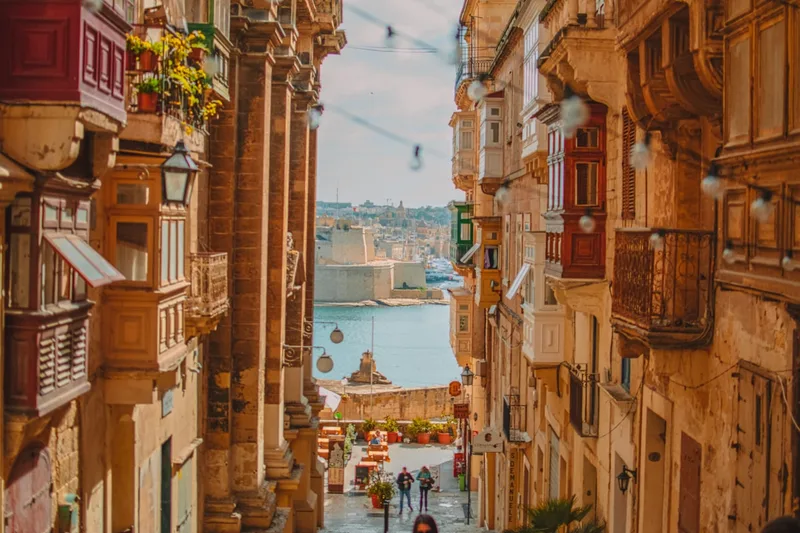
Fly in, Bolt to Valletta. Check in and walk out without a plan — the grid layout means you can't get lost. St John's Co-Cathedral is the single must-do: the Caravaggio paintings are extraordinary, and the inlaid marble floor is unlike anything in Europe. Book tickets at stjohnscocathedral.com the night before (they sell out). Sunset from the Upper Barrakka Gardens overlooking the Grand Harbour. The gun salute fires at noon and 4pm — worth timing if you're nearby. Dinner at Noni: contemporary Maltese, book ahead.
The Three Cities, afternoon at leisure
Take the ferry from Valletta's Customs House (€1.50 each way, runs every 30 minutes) to Birgu. Walk the Three Cities — Birgu, Senglea, and Cospicua — in order. The fortifications here predate the Knights of St John and are less crowded than anything in Valletta. The Maritime Museum in Birgu is small and worthwhile. Back in Valletta by 3pm. The afternoon is free — the National Museum of Archaeology (the Sleeping Lady figurine alone is worth the entrance) or just coffee and a pastizzi at Caffe Cordina on Republic Street.
Silent City, Rabat catacombs, Dingli Cliffs
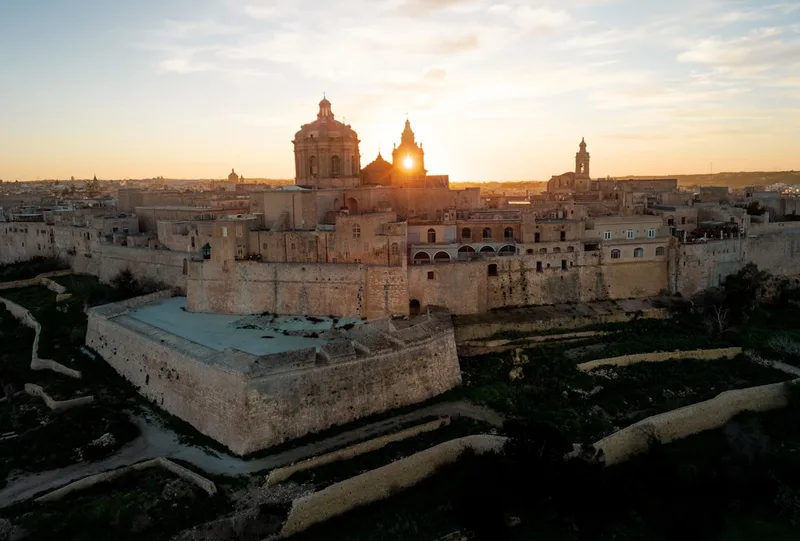
Hire a car for two days (€30–50/day from Sixt or Europcar at the airport). Maltese roads are narrow and drivers are assertive — go slowly and give way to anyone entering a roundabout. Mdina in the morning before the tour buses arrive. The walled city has around 300 permanent residents. Walk the ramparts for views across the whole island. Immediately outside the gate: Rabat and the St Paul's Catacombs (the original Christian burial network, not to be confused with Rome's). Drive to Dingli Cliffs in the afternoon — the highest point in Malta at 253m, and the only part of the island that feels genuinely remote. No entrance fee, no facilities: just the edge and the sea.
Gozo day trip — Ggantija, Dwejra, Victoria
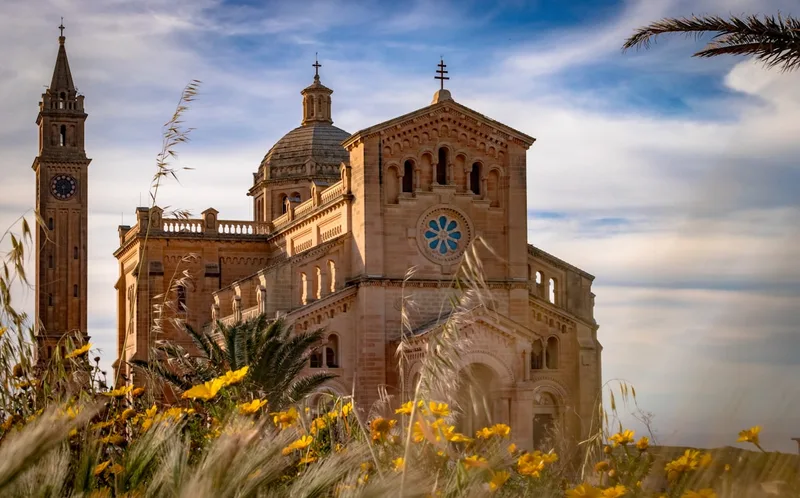
The Gozo Channel Line ferry from Ċirkewwa (45 min drive from Valletta, or X1 bus to Valletta then change) departs every 45 minutes; €4.65 return. You'll be on the island by 9am. Ġgantija temples near Xagħra are older than Stonehenge — UNESCO listed and genuinely impressive at close range. Buy tickets at the site. Dwejra Bay in the afternoon: the Azure Window collapsed in 2017 but the inland sea and the snorkelling off the rocks are worth the stop regardless. Victoria (Rabat) for dinner — the Citadel at dusk is one of the better sights in the Mediterranean. Last ferry back to Malta: 11pm. Don't miss it — you'll be sleeping on a bench in Ċirkewwa if you do.
Blue Lagoon, Comino
The Blue Lagoon is on Comino island, 20 minutes by boat from Ċirkewwa or Mġarr (Gozo). Ferries run from both; the combined Gozo + Comino day trip boats are a tourist trap — book the dedicated Comino ferry from Captain Morgan or a cheaper local service. Go on a weekday and arrive before 9am. By 11am the lagoon is packed. The water is genuinely extraordinary: shallow, still, and the specific shade of blue that appears on every Malta postcard. Bring your own food and water — the vendors charge four times what they do in Valletta. Back on the mainland by 3pm. Last afternoon in Valletta: the Lascaris War Rooms underground (where the Sicily landings were coordinated) or the National War Museum.
Marsaxlokk, final morning, fly home
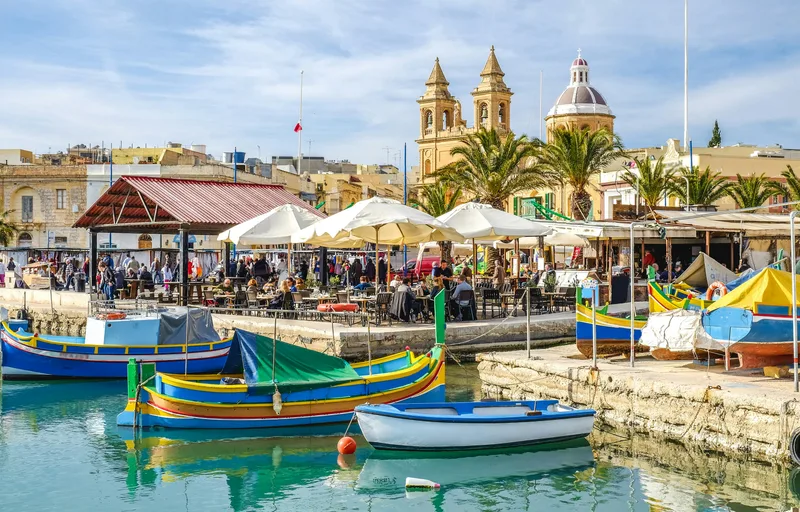
Drive to Marsaxlokk for the Sunday fish market if your flight is afternoon or evening (market runs 6am–1pm). The coloured luzzu fishing boats are the image most people associate with Malta. Buy fresh pastizzi from any bakery on the way back. For non-Sunday departures: a final coffee walk through Valletta, or the Hal Saflieni Hypogeum if you booked three months in advance (it's the finest prehistoric site in the world and entry is limited to 80 people per day). Drop the car at the airport. MLA is small — 45 minutes before departure is enough.
Accessibility
Honest ratings for ten common travel needs, plus any extras relevant to this destination.
Malta is compact and doable without a car, which opens it up to more travellers than many Mediterranean destinations. English-first, EU standards, and short distances make this one of the easiest destinations on the codex.
Food
Maltese food is distinctly its own thing — Italian-influenced with Arab, British, and North African threads. Heavy on seafood, rabbit, pork, bread, and seasonal vegetables. Portions are generous.
Malta's answer to pizza — a flat baked bread loaded with tuna, olives, capers, tomato, and olive oil. Eaten any time of day.
Bakeries across the islands; every village has a preferred spot
The unofficial national dish, slow-cooked in red wine with garlic. Traditionally a communal meal.
Inland villages and traditional restaurants, not the harbour-front tourist places
Flaky filo pastries stuffed with ricotta or mushy peas. The local breakfast snack, €1 apiece.
Hole-in-the-wall pastizzerias in every town
The local beer, pronounced "chisk". Not life-changing but pleasant and everywhere.
Bittersweet orange soda with a herbal edge. Tourists love it or hate it — try it once.
Every seafront café in Sliema advertises one. They're universally mediocre. Find a pastizzeria instead.
Restaurants directly at the cruise harbour gates charge 2–3x for food that's noticeably worse. Walk five minutes inland for the same dish at local prices.
Budget
Real daily costs at three spending levels. All prices in GBP.
Hostel dorm or basic Airbnb, market meals plus one café lunch, bus travel, one paid activity every other day
3-star hotel in Sliema, two restaurant meals, occasional Bolt, one activity daily, a few drinks
Boutique hotel in Valletta, two sit-down meals with wine, Bolt everywhere, pre-booked activities including a private Blue Lagoon boat